

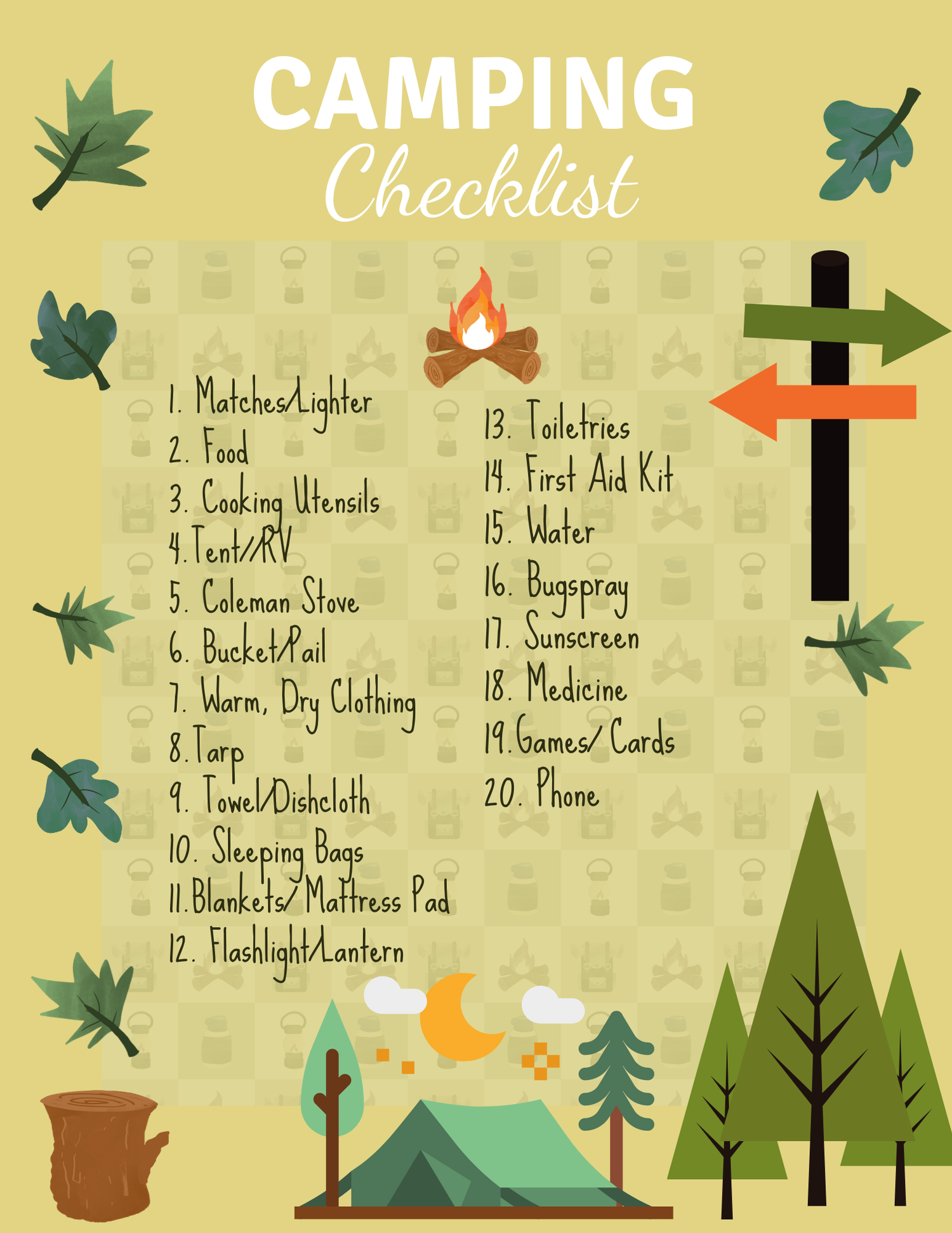
Packing for an Iceland camping trip requires more thought than most destinations. The weather is unpredictable, temperatures can drop quickly, and you'll be far from shops in many areas. This complete packing checklist covers everything you need — from shelter and sleep systems to clothing, cooking, and safety gear — so you can head out with confidence.
Pro tip: Many of the bulkiest and heaviest items on this list — tent, sleeping bag, sleeping mat, cooking equipment — can be rented from Iceland Camping Equipment. Renting saves you luggage fees and guarantees Iceland-appropriate gear.
✅ Shelter
- ☐ Tent — wind-resistant dome or geodesic, 3–4 season. Freestanding design recommended.
- ☐ Tent footprint / groundsheet — protects tent floor from Iceland's rocky ground
- ☐ Extra guy lines and pegs — standard pegs often can't penetrate rocky ground; bring rock pegs or extra cord
- ☐ Tent repair kit — pole splint, seam sealer, patch tape
✅ Sleep System
- ☐ Sleeping bag — rated to 0°C comfort for summer lowland camping; -5°C for highlands or shoulder season
- ☐ Sleeping mat — insulated inflatable or foam mat, R-value 3+ for summer, R-value 4+ for highlands
- ☐ Sleeping bag liner — adds 3–8°C warmth and keeps your bag cleaner
- ☐ Sleep mask — essential for the midnight sun in June and July
- ☐ Earplugs — for windy nights and busy campsites
✅ Clothing: Layering System
Iceland's weather demands a proper layering system. Pack for cold, wind, and rain regardless of the season.
Base Layer
- ☐ Thermal top (merino wool or synthetic) — 2 sets
- ☐ Thermal leggings — 1–2 pairs
- ☐ Moisture-wicking underwear — 3–5 pairs
- ☐ Merino wool or thermal socks — 3–5 pairs
Mid Layer
- ☐ Fleece jacket or mid-layer top
- ☐ Softshell or fleece trousers (for cold evenings)
Outer Layer
- ☐ Waterproof jacket — fully seam-sealed, hood essential. Non-negotiable in Iceland.
- ☐ Waterproof trousers — equally essential
- ☐ Insulated jacket (down or synthetic) — for cold evenings and highland camping
Extremities
- ☐ Warm hat / beanie
- ☐ Gloves or mittens (waterproof outer recommended)
- ☐ Buff / neck gaiter
- ☐ Sun hat or cap (Iceland sun can be strong in summer)
Footwear
- ☐ Waterproof hiking boots — ankle support and waterproofing are essential
- ☐ Camp sandals or lightweight shoes — for campsite use
- ☐ Gaiters — useful for highland hiking and river crossings
Everyday Clothing
- ☐ T-shirts or long-sleeve tops — 2–3
- ☐ Hiking trousers — 1–2 pairs (quick-dry recommended)
- ☐ Swimwear — for geothermal pools and hot springs
- ☐ Towel (quick-dry microfibre)
✅ Cooking & Food
- ☐ Camp stove — windproof design essential. Standard canister stoves struggle in Icelandic wind.
- ☐ Gas canisters — bring enough for your trip; availability varies in rural areas
- ☐ Pot and lid (1–2 litre)
- ☐ Frying pan (optional but useful)
- ☐ Spork or cutlery set
- ☐ Mug (insulated recommended)
- ☐ Plate or bowl
- ☐ Washing-up basin, biodegradable soap, scrubber
- ☐ Water bottles (2 x 1 litre minimum)
- ☐ Water filter or purification tablets (for highland camping)
- ☐ Dry bags or food storage bags
- ☐ Lighter and waterproof matches
- ☐ Knife or multi-tool
✅ Hiking & Navigation
- ☐ Daypack (20–30 litre) for day hikes from camp
- ☐ Trekking poles — highly recommended for Iceland's uneven terrain and river crossings
- ☐ Crampons or microspikes — required for any glacier or snowfield hiking
- ☐ Gaiters — for highland hiking and wet terrain
- ☐ Offline maps downloaded (Maps.me, Gaia GPS, or AllTrails)
- ☐ Paper map of Iceland (backup)
- ☐ Compass
- ☐ Headlamp + spare batteries
- ☐ Sunglasses (UV protection — important near glaciers)
- ☐ Sunscreen (SPF 30+ — Iceland's summer sun is stronger than it feels)
✅ Safety & Emergency
- ☐ First aid kit — blister treatment, bandages, antiseptic, pain relief, antihistamine
- ☐ Personal medications
- ☐ Emergency whistle
- ☐ Emergency bivvy bag
- ☐ Satellite communicator (e.g. Garmin inReach) — strongly recommended for highland and remote camping. No phone signal in many areas.
- ☐ Portable power bank (for charging phone and GPS)
- ☐ Register your itinerary at safetravel.is before heading into remote areas
✅ Campsite Essentials
- ☐ Trowel (for burying waste in remote areas)
- ☐ Biodegradable toilet paper
- ☐ Hand sanitiser
- ☐ Waste bags (pack out all rubbish)
- ☐ Clothesline and pegs (for drying wet gear)
- ☐ Dry bags (for keeping gear dry in rain)
- ☐ Lantern or string lights (for tent interior)
- ☐ Insect repellent (especially for Mývatn area)
- ☐ Head net (for midges near Mývatn)
✅ Documents & Admin
- ☐ Passport
- ☐ Travel insurance documents (including emergency number)
- ☐ Driving licence
- ☐ Car rental documents
- ☐ Campsite booking confirmations
- ☐ Gear rental confirmation from Iceland Camping Equipment
- ☐ Emergency contacts list (printed)
- ☐ Cash (ISK) — some highland campsites and remote areas are cash-only
✅ Useful Apps to Download Before You Go
- vedur.is — Iceland Met Office weather forecast (the most accurate for Iceland)
- road.is — Road conditions and F-road status
- safetravel.is — Register your itinerary and check safety alerts
- Maps.me or Gaia GPS — Offline maps for areas without phone signal
- 112 Iceland — Emergency app that sends your GPS location to rescue services
What Can You Rent Instead of Pack?
The heaviest and bulkiest items on this list can be rented from us, saving you significant luggage weight and fees:
- ✔ Tent (all sizes)
- ✔ Sleeping bag (properly rated for Iceland)
- ✔ Sleeping mat
- ✔ Camp stove and cooking equipment
- ✔ Trekking poles
- ✔ Crampons and glacier gear
- ✔ Dry bags and accessories
Browse our rental options and book online. We recommend booking at least 2–4 weeks in advance for peak season (June–August).
Frequently Asked Questions
What should I not forget when camping in Iceland?
The three most commonly forgotten items are: a sleep mask (for the midnight sun), waterproof trousers (people pack a rain jacket but forget the trousers), and crampons or microspikes if you're planning any glacier or snowfield hiking.
Do I need to bring a sleeping bag to Iceland?
Yes — or rent one. Iceland nights are cold even in summer, and a sleeping bag rated to at least 0°C comfort is essential. For highland camping or shoulder season, go for -5°C.
Can I buy camping gear in Iceland if I forget something?
Yes, Reykjavik has several outdoor gear shops. However, prices are high and selection may be limited for specialist items. It's better to arrive prepared or rent from us before you set off.
Is tap water safe to drink in Iceland?
Yes — Iceland has some of the purest tap water in the world. Campsite tap water is safe to drink. In the highlands, water from glacial rivers and streams is generally safe but a filter is recommended as a precaution.



Leave a comment
This site is protected by hCaptcha and the hCaptcha Privacy Policy and Terms of Service apply.