

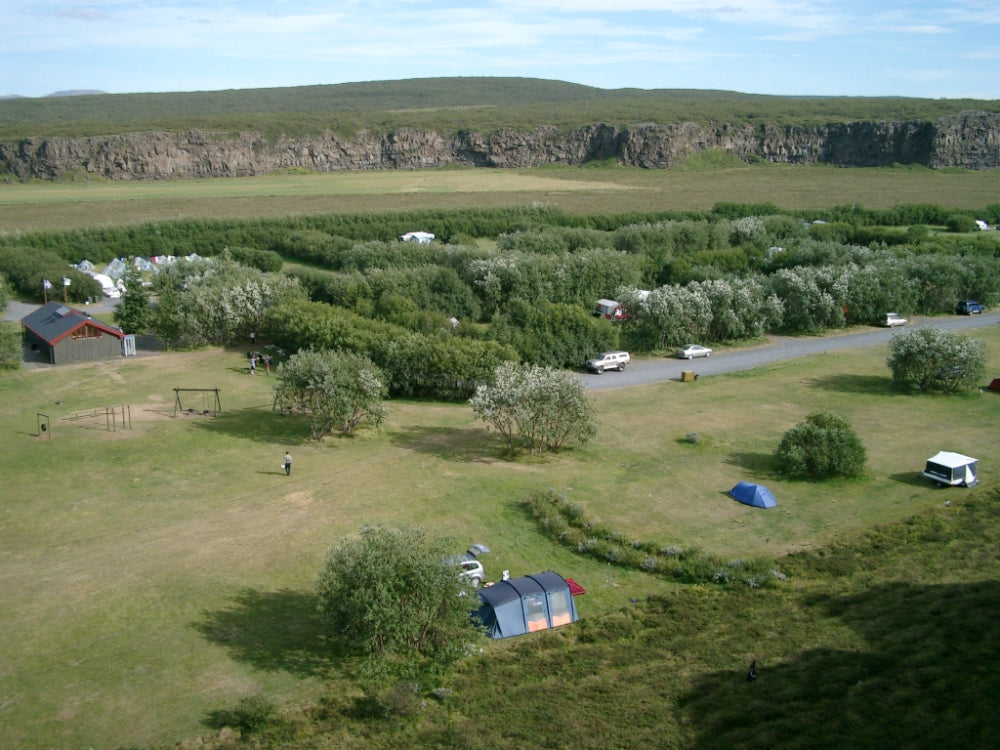
Iceland is one of the world's most spectacular destinations for camping. With dramatic volcanic landscapes, cascading waterfalls, geothermal hot springs, and the legendary midnight sun, camping here is an experience unlike any other. Whether you're a seasoned adventurer or a first-time visitor, this guide covers the best camping spots in Iceland to help you plan the perfect outdoor trip.
When Is the Best Time to Camp in Iceland?
The official camping season in Iceland runs from June 1st to September 15th, when most organised campsites are open and the weather is most stable. June and July offer the midnight sun — meaning 24 hours of daylight — which is ideal for long hiking days. August is peak season with the warmest temperatures (averaging 10–13°C). May and September are possible for experienced campers but require more preparation.
1. Landmannalaugar — The Highland Jewel
Located in the Fjallabak Nature Reserve in the central highlands, Landmannalaugar is arguably Iceland's most iconic camping destination. Surrounded by rainbow-coloured rhyolite mountains, lava fields, and natural geothermal pools, it's the starting point of the famous Laugavegur Trail.
- Best for: Multi-day trekkers, photography, geothermal bathing
- Access: F-road (4WD required), typically accessible from late June
- Facilities: Managed campsite with toilets, cooking hut, and natural hot spring
- Tip: Book your campsite in advance — it fills up fast in July and August
2. Þórsmörk (Thorsmork) — Valley of Thor
Þórsmörk sits at the confluence of three glaciers — Eyjafjallajökull, Mýrdalsjökull, and Tindfjallajökull — creating a sheltered valley of birch forests and dramatic ridgelines. It's the endpoint of the Laugavegur Trail and the starting point of the Fimmvörðuháls pass.
- Best for: Hikers completing the Laugavegur Trail, glacier views
- Access: F-road with river crossings (4WD essential or take the Þórsmörk bus)
- Facilities: Three huts with campsites — Húsadalur, Langidalur, and Básar
- Tip: The Valahnúkur viewpoint hike from camp takes just 1–2 hours and offers stunning panoramas
3. Skaftafell — Gateway to Vatnajökull
Part of Vatnajökull National Park, Skaftafell is one of Iceland's most popular camping areas — and for good reason. It offers easy access to glacier hikes, the famous Svartifoss waterfall (framed by basalt columns), and sweeping views of Europe's largest glacier.
- Best for: Families, glacier walks, day hikes
- Access: Paved road (Ring Road), easy to reach by car or bus
- Facilities: Large campsite with showers, toilets, café, and visitor centre
- Tip: Book a guided glacier walk from the campsite — it's one of Iceland's unmissable experiences
4. Snæfellsnes Peninsula — Mystical and Uncrowded
The Snæfellsnes Peninsula is often called "Iceland in miniature" because it packs so much variety into a small area — a glacier-capped volcano, black sand beaches, lava fields, fishing villages, and sea cliffs. It's far less crowded than the south coast.
- Best for: Road trippers, those seeking solitude, Snæfellsjökull glacier hikes
- Access: Paved roads, about 2 hours from Reykjavik
- Facilities: Several campsites including Ólafsvík and Grundarfjörður
- Tip: Camp at Hellissandur for direct views of the glacier at sunset (or midnight sun)
5. Westfjords — Iceland's Last Frontier
The Westfjords are Iceland's most remote and least-visited region, offering towering fjords, dramatic bird cliffs at Látrabjarg (Europe's largest), and the turquoise Dynjandi waterfall. If you want to escape the crowds entirely, this is your destination.
- Best for: Experienced campers, birdwatching, true wilderness
- Access: Long drive or domestic flight to Ísafjörður
- Facilities: Basic campsites; self-sufficiency is important
- Tip: Carry extra fuel and food — services are sparse
6. Mývatn — Volcanic Wonderland in the North
Lake Mývatn in northern Iceland is a geologically active area with pseudo-craters, lava formations, mud pools, and the Mývatn Nature Baths. It's a great base for exploring the north and is far less visited than the south coast.
- Best for: Geology enthusiasts, birdwatchers, those combining with Akureyri
- Access: Ring Road, easy to reach
- Facilities: Campsites at Vogar and Hlíð with good facilities
- Tip: Visit Dimmuborgir lava formations and Krafla volcano — both within 20 minutes of camp
7. Camping Along the Ring Road
Iceland's Route 1 — the Ring Road — circles the entire island (1,332 km) and passes dozens of excellent campsites. A Ring Road camping trip typically takes 7–14 days and is one of the most popular ways to see Iceland.
Key Ring Road campsite highlights include:
- Vík — black sand beaches and sea stacks
- Höfn — glacier lagoon access and lobster capital of Iceland
- Seyðisfjörður — colourful East Fjords town with a ferry connection
- Akureyri — Iceland's second city, great urban campsite
What Gear Do You Need for Camping in Iceland?
Iceland's weather is notoriously unpredictable — wind, rain, and cold can arrive at any time, even in summer. Here's what you'll need:
- Tent: A wind-resistant, freestanding tent rated for 3–4 seasons. Dome tents handle Icelandic wind far better than tunnel tents.
- Sleeping bag: A bag rated to at least 0°C (comfort) for summer camping, or -5°C for highland trips.
- Sleeping mat: Essential for insulation from cold ground — an inflatable mat with R-value 3+ is recommended.
- Waterproof layers: Rain jacket, waterproof trousers, and waterproof boots are non-negotiable.
- Crampons or microspikes: Required for any glacier or snowfield hiking.
- Camp stove: A windproof stove is essential — standard canister stoves struggle in Icelandic gusts.
Not sure what to bring? Rent your camping gear from us — we provide everything you need for a fully equipped Iceland camping trip, from tents and sleeping bags to crampons and cooking equipment.
Iceland Camping Rules to Know
- Wild camping is restricted — you must camp at designated sites in most areas. Wild camping is only permitted in uninhabited highland areas away from farmland.
- Leave No Trace — Iceland's fragile moss and vegetation takes decades to recover from damage. Stay on marked paths.
- Campfires are generally prohibited — use a camp stove instead.
- Respect private land — always ask permission before camping on farmland.
Gear for this trip
- Tent rental — wind-tested tents for Icelandic campsites
- Sleeping bags and mats — warm enough for highland nights
- Premium camping package — everything for a full trip in one booking
Frequently Asked Questions
Can you camp anywhere in Iceland?
No. Wild camping is restricted in Iceland. You must use designated campsites in most areas, especially near roads, farmland, and national parks. In remote uninhabited highlands, wild camping is generally permitted but requires self-sufficiency.
How much does camping in Iceland cost?
Campsite fees typically range from 1,500–2,500 ISK per person per night (approximately €10–17). Highland campsites like Landmannalaugar are at the higher end. Many campsites require advance booking in peak season.
Do I need a 4WD to camp in Iceland?
Not necessarily. Most Ring Road campsites and popular spots like Skaftafell and Snæfellsnes are accessible by 2WD. However, highland destinations like Landmannalaugar and Þórsmörk require a 4WD vehicle due to F-roads and river crossings.
Is it safe to camp in Iceland?
Yes, Iceland is very safe for camping. The main risks are weather-related — sudden storms, high winds, and cold temperatures. Always check the weather forecast at vedur.is and road conditions at road.is before heading out.
What is the midnight sun like for camping?
In June and July, Iceland experiences near-24-hour daylight. This is magical but can disrupt sleep — bring a good sleep mask. On the positive side, you can hike at midnight with full visibility, which is an unforgettable experience.



Leave a comment
This site is protected by hCaptcha and the hCaptcha Privacy Policy and Terms of Service apply.